TEYLIOM PROPERTIES, BUILDER OF TOMORROW
14 May
Reinventing African cities: when real estate combines innovation, sustainability and mixed use
Africa has entered a new urban era. By 2050, more than 60% of Africans will live in cities, according to UN-Habitat projections. This rapid urbanization poses enormous challenges: saturated infrastructure, a chronic shortage of quality housing, increasing land pressure, and ecological and environmental impacts.
But it also offers a tremendous opportunity: that of designing different cities, better adapted to African realities, more sustainable and more inclusive.
In Côte d’Ivoire, Abidjan perfectly illustrates this dynamic. A vibrant economic capital of West Africa, the lagoon metropolis has become a laboratory for ambitious real estate and urban planning initiatives. Pan-African groups like Teyliom Properties are developing projects there that reflect major market trends: integration of sustainable development, differentiation through design and quality, use of innovation, and promotion of genuine mixed-use development.
“It’s no longer just about building buildings, but about shaping sustainable, inclusive, and resilient cities.”
MEETING WITH NICOLAS MOREAU, CEO OF TEYLIOM PROPERTIES GROUP, TO DECIPHER THESE NEW DYNAMICS.
Africa is experiencing unprecedented urbanization. How do you perceive this phenomenon?
Nicolas Moreau: Abidjan is now home to over 5 million people and continues to attract tens of thousands of new residents every year. This population growth is putting pressure on the housing supply and on the quality of urban life. Long characterised by fragmented property developments focused solely on residential needs, the market is now shifting towards integrated projects capable of simultaneously meeting the needs for housing, services, transport and leisure.
The rise of a middle class seeking modern, safe and connected spaces is accelerating this trend.
Developers must devise a new approach to urban planning in Africa, drawing inspiration from international best practice whilst adapting it to local conditions: climate, demographics and social fabric.
“We have a responsibility to build inclusive, resilient and sustainable cities, adapted to our climatic and social realities.”
Sustainability is at the heart of your projects. How is this reflected in your work?
N.M.: One of the major shifts in recent years has been the increasing integration of environmental criteria into real estate projects. Issues of water management, energy efficiency, and carbon footprint reduction are now central.
In a context marked by climate change and the vulnerability of African coastal cities, such as Abidjan, to rising sea levels, sustainability is no longer a luxury but a necessity. Developers are therefore adopting eco-responsible construction practices: sustainable materials, green roofs, rainwater harvesting systems, green spaces that promote urban biodiversity, and more. Teyliom Properties, a major player in pan-African real estate, places this approach at the heart of its projects.
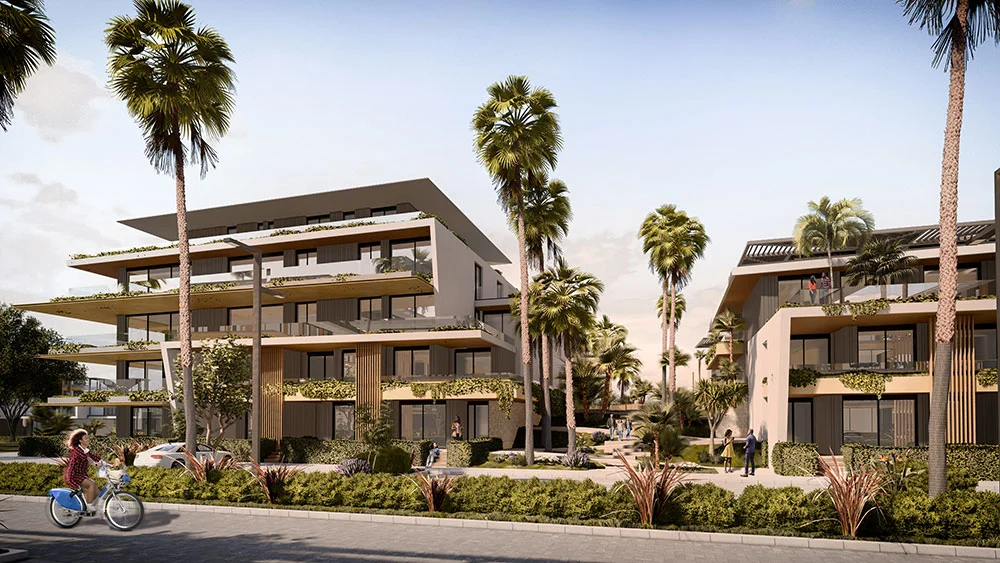
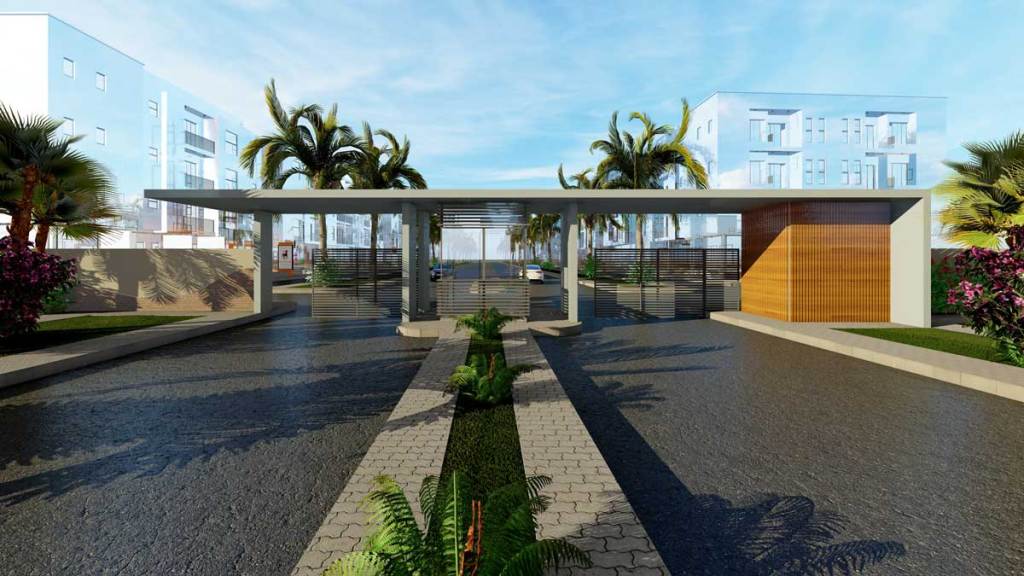
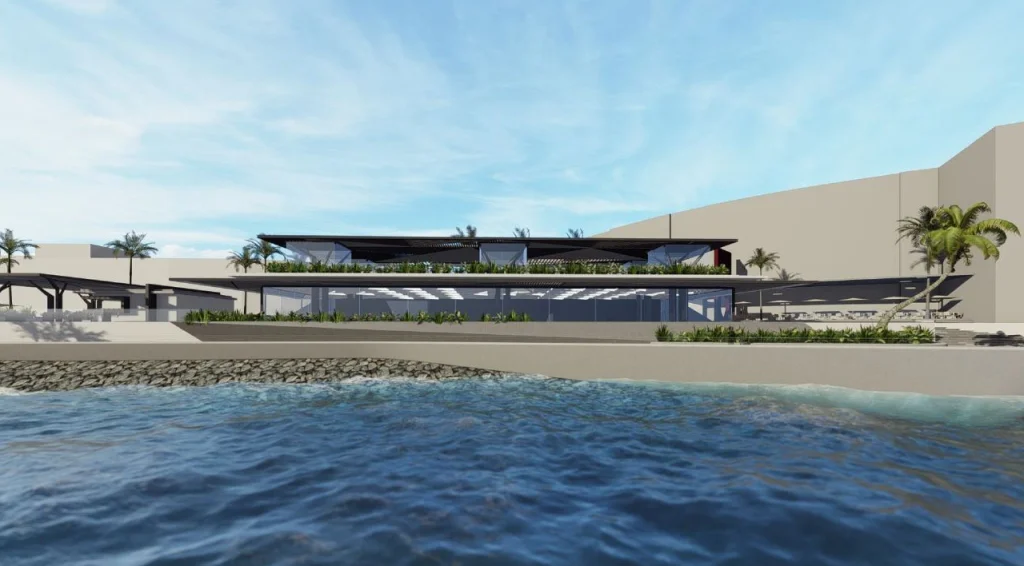
In its Waterfront project, located on the edge of the lagoon, the architecture incorporates solutions that optimize natural light and ventilation, thereby reducing energy consumption. The enhancement of landscaped areas, designed as living spaces rather than mere decorations, also contributes to this ecological commitment.
Why have innovation and quality of life become essential markers?
N.M.: The other major transformation concerns innovation, both architectural and technological. Large-scale developments in Abidjan are no longer simply offering housing; they are providing an integrated living experience, supported by digital technology.
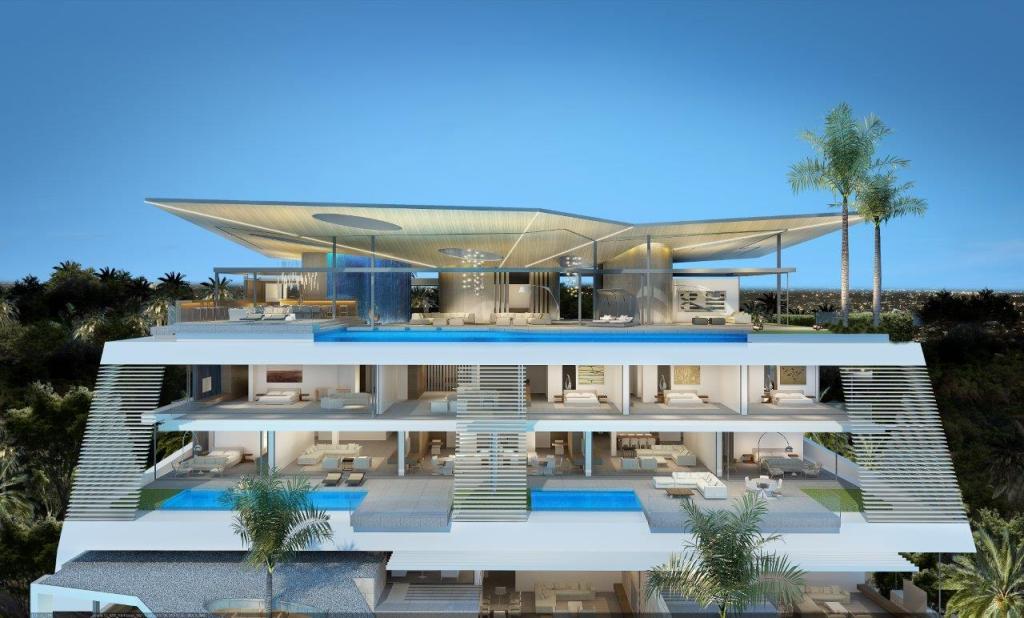
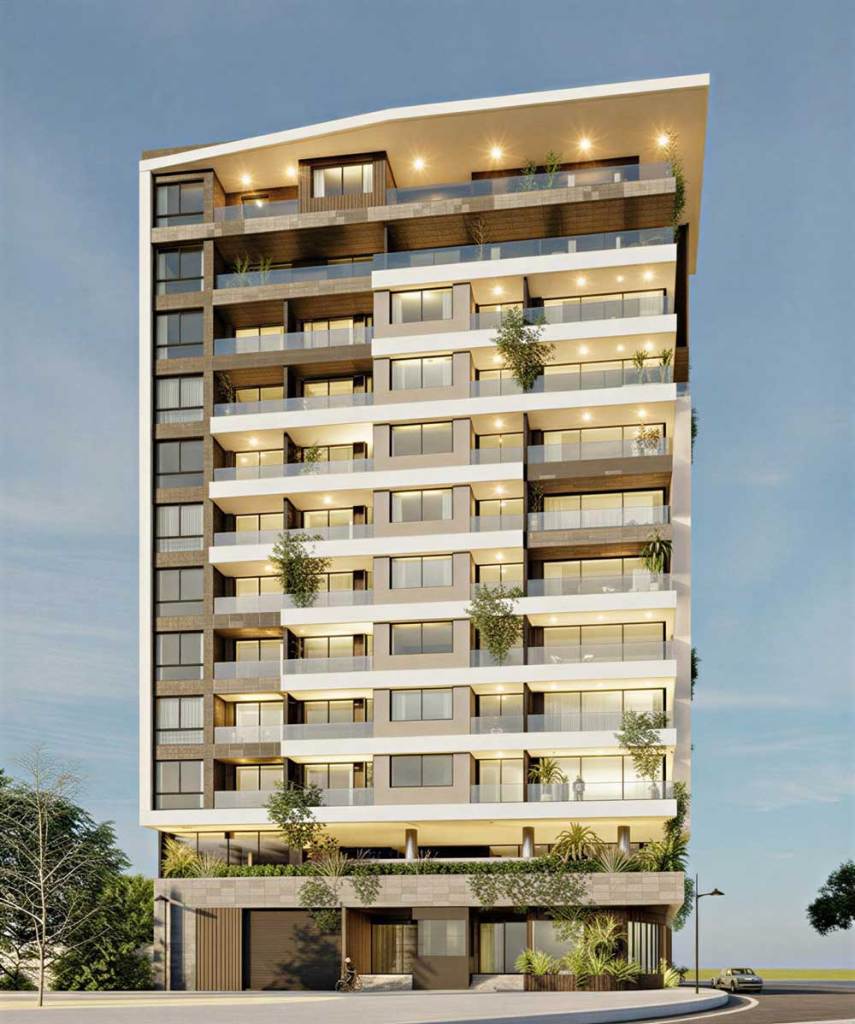
Connectivity, home automation services, smart security, and community management platforms are becoming standards expected by buyers and renters. Eon Bay, another flagship project by Teyliom, illustrates this ambition by combining contemporary design, open spaces, and the integration of technologies aimed at facilitating the daily management of common and private spaces.
In these projects, innovation is not only technical; it is also social and cultural. It is reflected in the design of spaces that foster interaction, conviviality, and the emergence of new forms of urban living. These projects are not just apartments; they create truly complete urban environments, designed to meet the expectations of a new generation.
Q: Mixed-use development is central to your vision. Why?
N.M.: African cities often suffer from the strict separation between residential areas, business districts, and leisure spaces. This organization exacerbates traffic congestion and limits urban vitality.
The current trend is therefore toward functional diversity: designing complexes where housing, offices, shops, schools, restaurants, and spaces for relaxation and well-being coexist. This reduces travel time, revitalizes neighborhood life, and strengthens the sense of community.
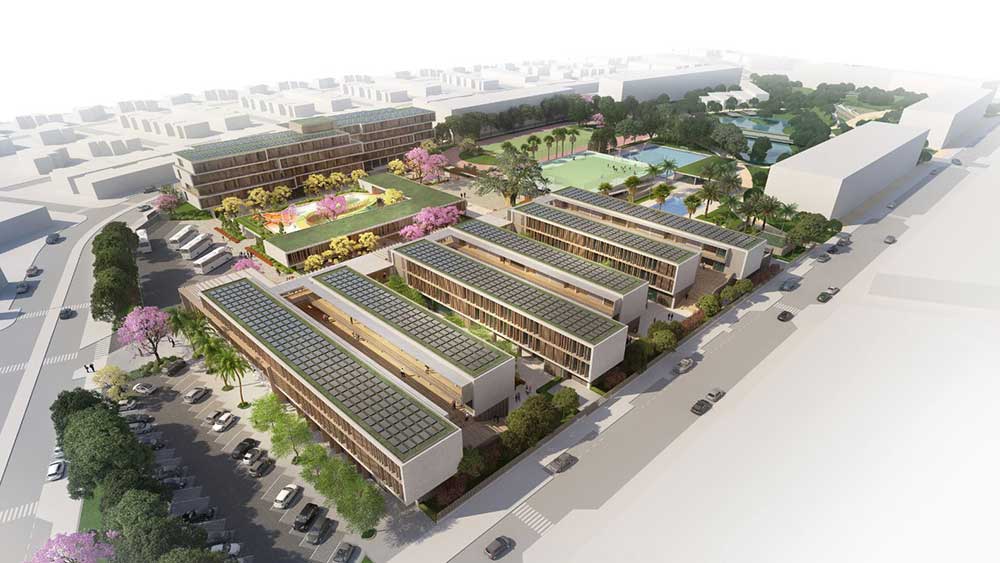
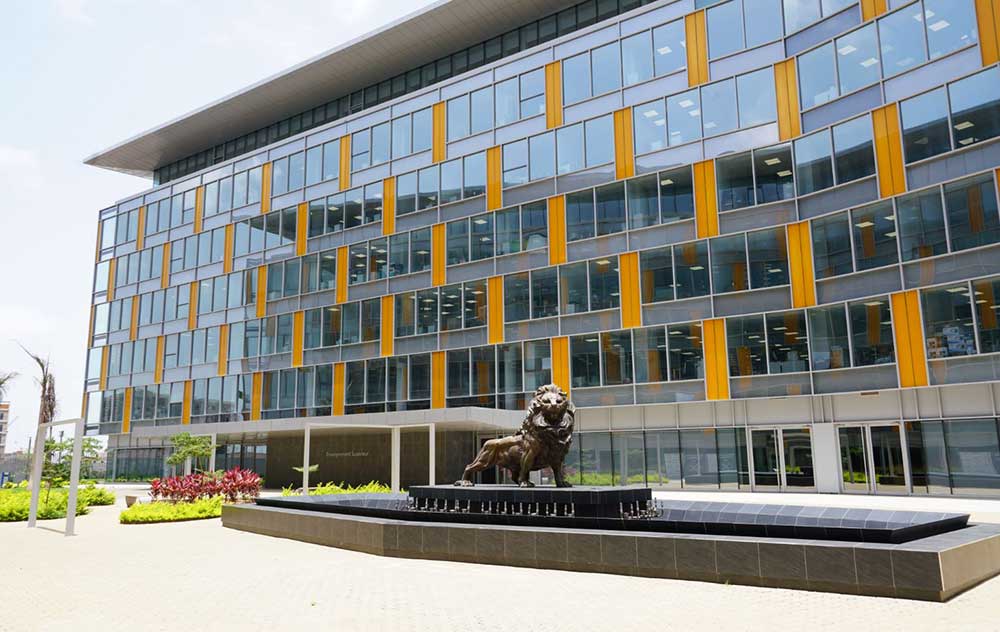
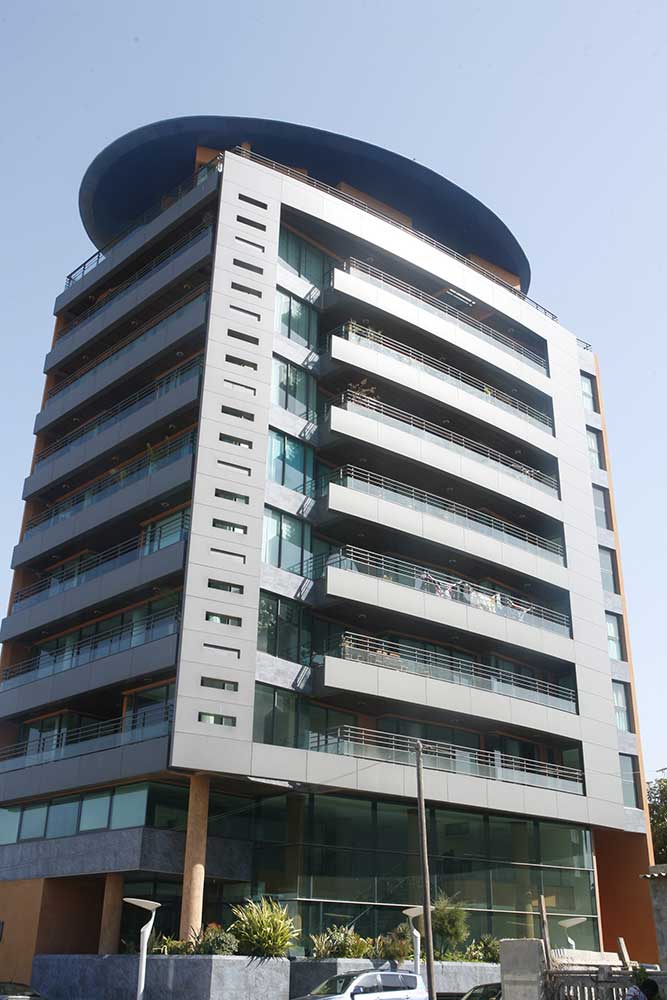
With its Waterfront and Cornerstone projects, as well as the Eon Bay urban development project, Teyliom Properties is focusing precisely on this approach.
These residential developments are not simply apartments: they integrate commercial spaces, leisure areas, and local services, thus creating complete urban environments. The idea is to build vibrant neighborhoods where people can work, play, and live within the same area.
“We want to develop complete, vibrant, and attractive living spaces.”
What contribution does Teyliom Properties hope to make to the African urban model of tomorrow?
N.M.: Africa is not meant to replicate the often energy-intensive and segregated urban models of the 20th century. It can invent its own benchmarks, drawing on its youth, its economic vitality, and a culture of conviviality that makes it unique.
The challenge is not simply to construct buildings, but to shape resilient, inclusive, and sustainable cities. In this respect, Côte d’Ivoire, and more specifically Abidjan, stand out as showcases of this African urban renewal.
The initiatives of groups like Teyliom Properties demonstrate that real estate can be a driver of profound transformation, at the intersection of the economy, ecology, and social issues. They are outlining the contours of an African urban future where sustainability and quality of life will no longer be options, but standards.
Recent News
Thank You!
Popular News
Recently Added

13 properties

YAAS DIAMNIADIO

SEEN RanHotel Bouaké

YAAS Hotel AKWABA

Seen Hotel Freetown

Noom Hotel Dakar Sea Plaza

Noom Hotel Abidjan Plateau
10 properties

AYOKA DAKAR

AYOKA ABIDJAN
THE VENUE

Restaurant Noom ABIDJAN
Restaurant SEEN ABIDJAN
Restaurant Noom NIAMEY




12 properties
View all properties